
Project insight
Supporting the development of a multi-subsystem biological imaging platform requiring coordinated optics, motion, consumables, and control system performance
Overview
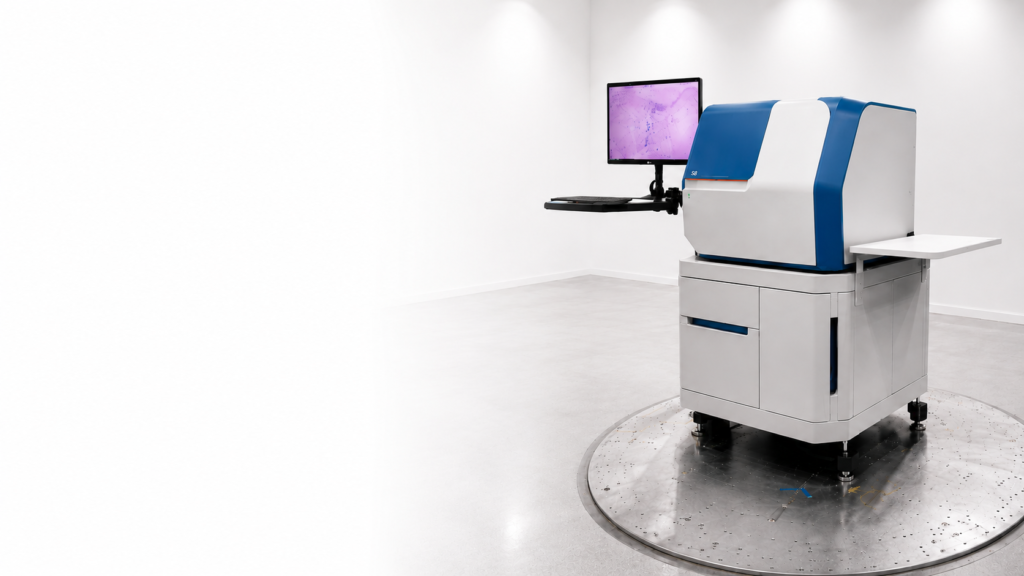
The project involved the development of a specialized imaging-based instrument designed to identify, analyze, and isolate targeted biological cells for downstream analysis.
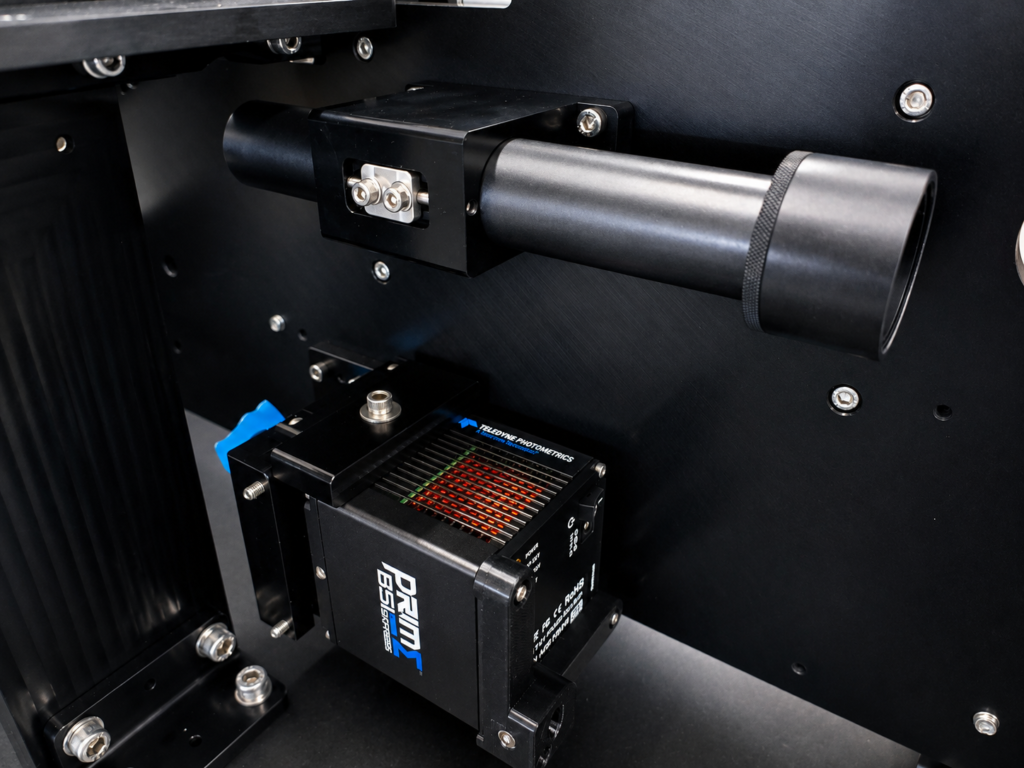
The system integrated multiple high-resolution cameras, laser-based systems, precision motion control, optics, software, and proprietary consumables—all of which needed to function together reliably to support repeatable imaging and sample handling performance.
The program had progressed beyond early feasibility and required refinement into a stable, manufacturable, and production-ready platform.
The challenge
While the core technology had already demonstrated promise, the system still faced significant challenges around repeatability, manufacturability, and integration stability.
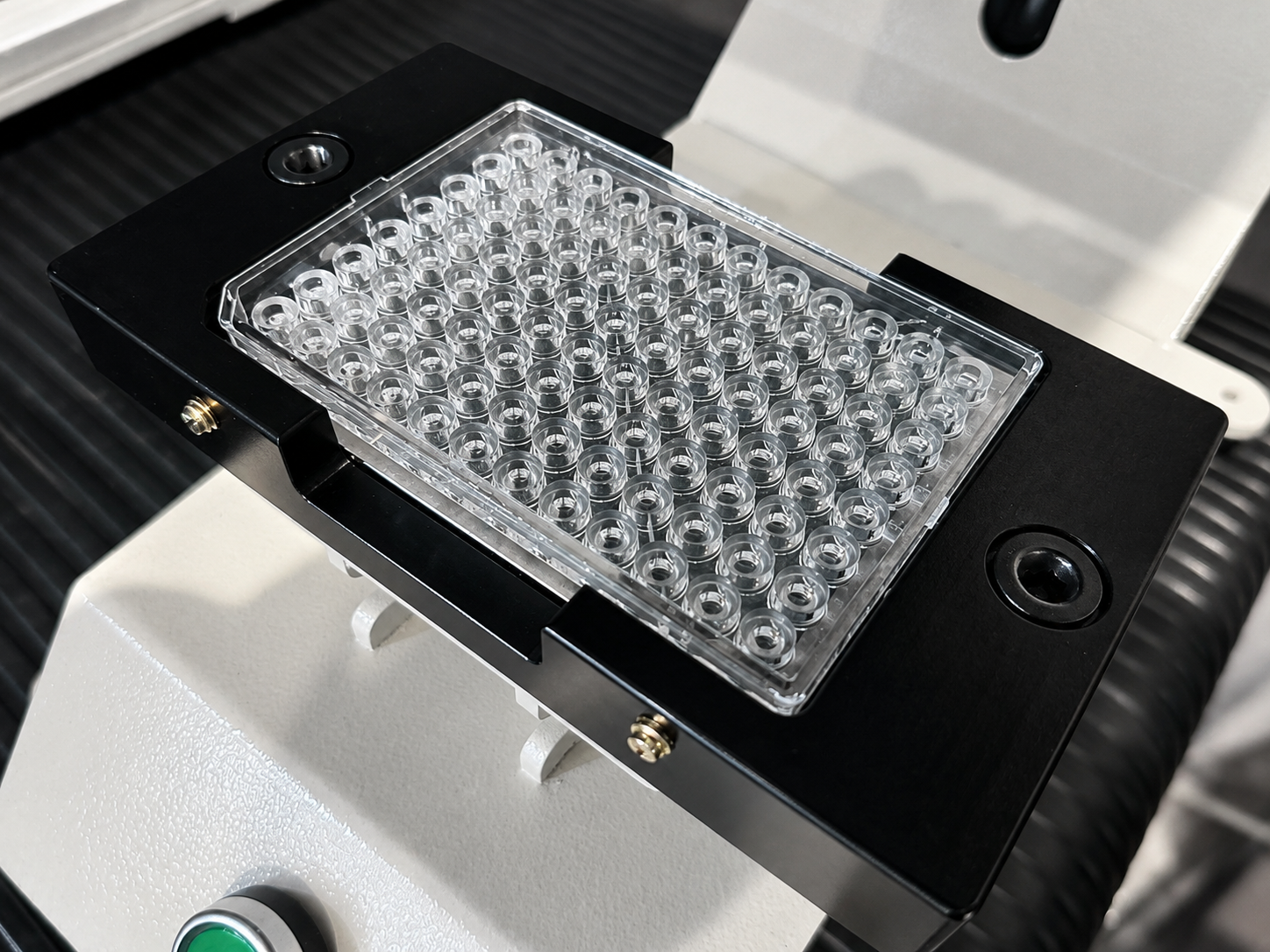
One of the most critical challenges involved the consumable itself—a proprietary component that directly impacted imaging performance and system consistency. Achieving the required optical performance while also maintaining manufacturability and cost targets required extensive iteration and collaboration with manufacturing partners.
What made the program particularly complex was that subsystem performance alone was not enough. Optics, motion control, consumables, software behavior, and mechanical alignment all influenced one another at the system level.
Small inconsistencies that appeared manageable in isolated testing became amplified during full integration, making repeatable performance difficult to achieve across builds and operating conditions.
The challenge was not simply proving the technology worked—it was developing a robust system that could perform consistently, be manufactured reliably, and support long-term product scalability.
What we did
The development effort focused on improving system-level stability while aligning engineering decisions with long-term manufacturability and usability goals.
Key areas of focus included:
- Refining subsystem integration between optics, motion systems, consumables, and controls
- Evaluating manufacturability and assembly considerations early in development
- Supporting consumable development to balance imaging performance, reliability, and cost targets
- Using iterative prototype and feasibility hardware to validate requirements and reduce technical risk
- Aligning system architecture and development decisions with long-term production objectives
- Incorporating considerations for usability, robustness, and serviceability as the platform matured
Rather than treating manufacturability and cost as downstream concerns, these considerations were integrated into development decisions throughout the program.
This structured approach helped reduce instability, simplify integration challenges, and support a smoother transition toward production readiness.
Outcome
The resulting platform achieved improved repeatability, stability, and manufacturability while maintaining the performance required for advanced imaging workflows.
The final system progressed into production and international deployment with strong long-term reliability and no reported alignment or field stability issues.
The program also demonstrated how early system-level engineering decisions—including manufacturability, consumables strategy, and integration architecture—can significantly influence long-term product success.
Integrated imaging and motion subsystems during platform development and system refinement.
Lathrop perspective
One of the recurring lessons in complex instrument development is that the biggest challenges often emerge at the interfaces between subsystems rather than within the subsystems themselves.
The earlier those interactions can be understood and addressed, the easier they are to solve. The earlier you learn, the more options you have.
We help product development teams de-risk complex programs, navigate integration challenges, and move from feasibility hardware to robust, production-ready systems with greater confidence.
Lathrop Product Development
Integration early. Reliable performance.