
Why “mostly working” systems are often farther from production than they look
In early-stage life science instrument development, a prototype that “mostly works” can feel like real progress. Signals appear. Data looks promising. The system runs — sometimes.
And that’s usually where teams start to feel like they’re getting close.
In practice, though, an instrument that works 70% of the time is often much farther from production readiness than it seems.
Across life science platforms — analytical instruments, diagnostics, research tools — intermittent behavior is rarely a small issue. It’s usually a signal that something deeper in the system isn’t fully understood yet.
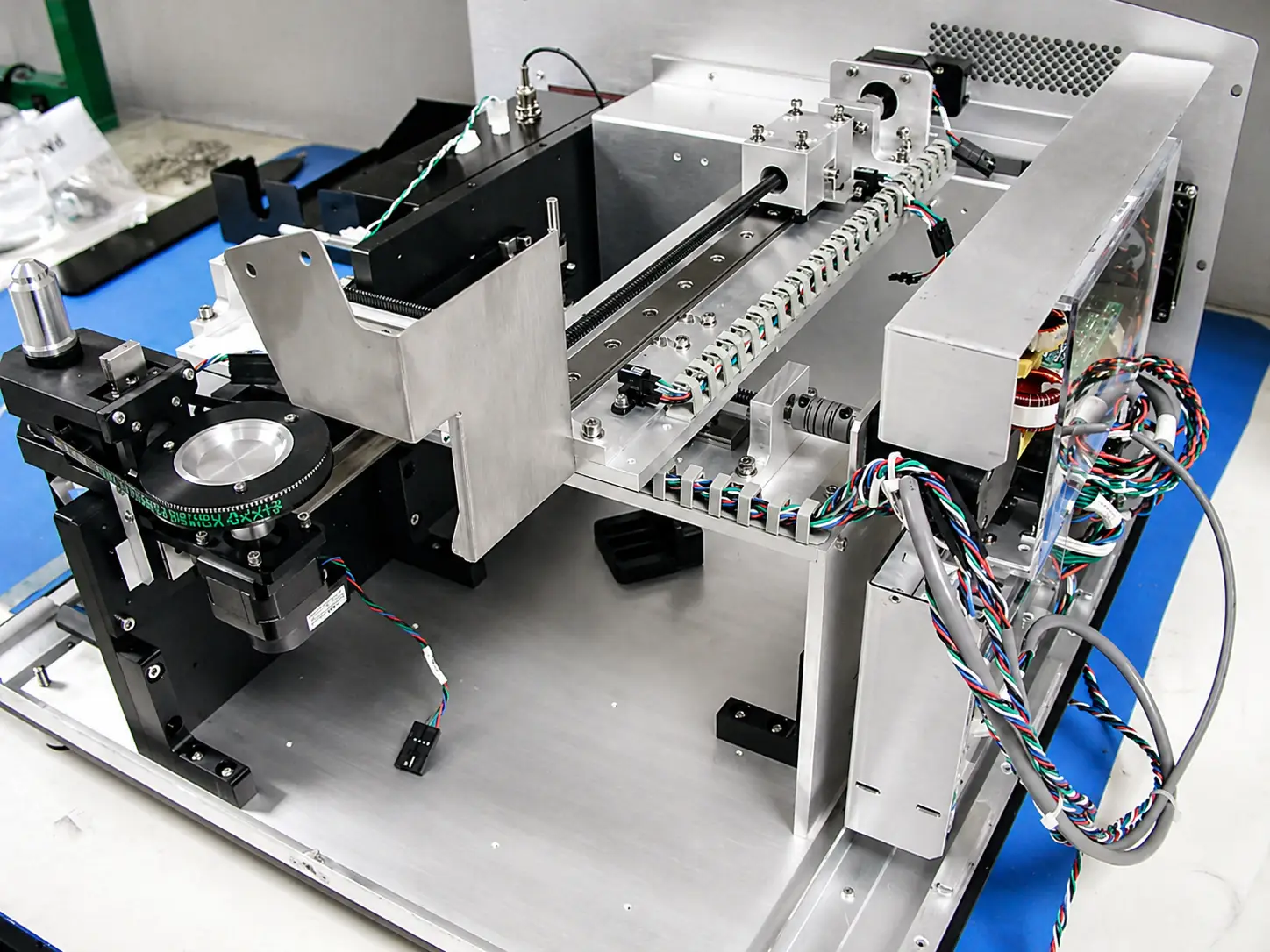
Intermittent behavior is a symptom
When an instrument behaves inconsistently, the natural instinct is to keep pushing forward:
- Frequent debugging
- Develop workarounds
- Implement late-stage design changes
- Compromise original targets
All reasonable reactions. Most teams try some version of this.
Underneath, the issues tend to be more fundamental:
- Marginal “signal-to-noise”
- Unknown sensitivity or tolerance effects
- Hidden thermal effects
- Assembly, handling, or shipping variability
- Firmware or electrical edge cases
These don’t quietly go away with time.
They tend to show up again — usually later, when the system is harder to change.
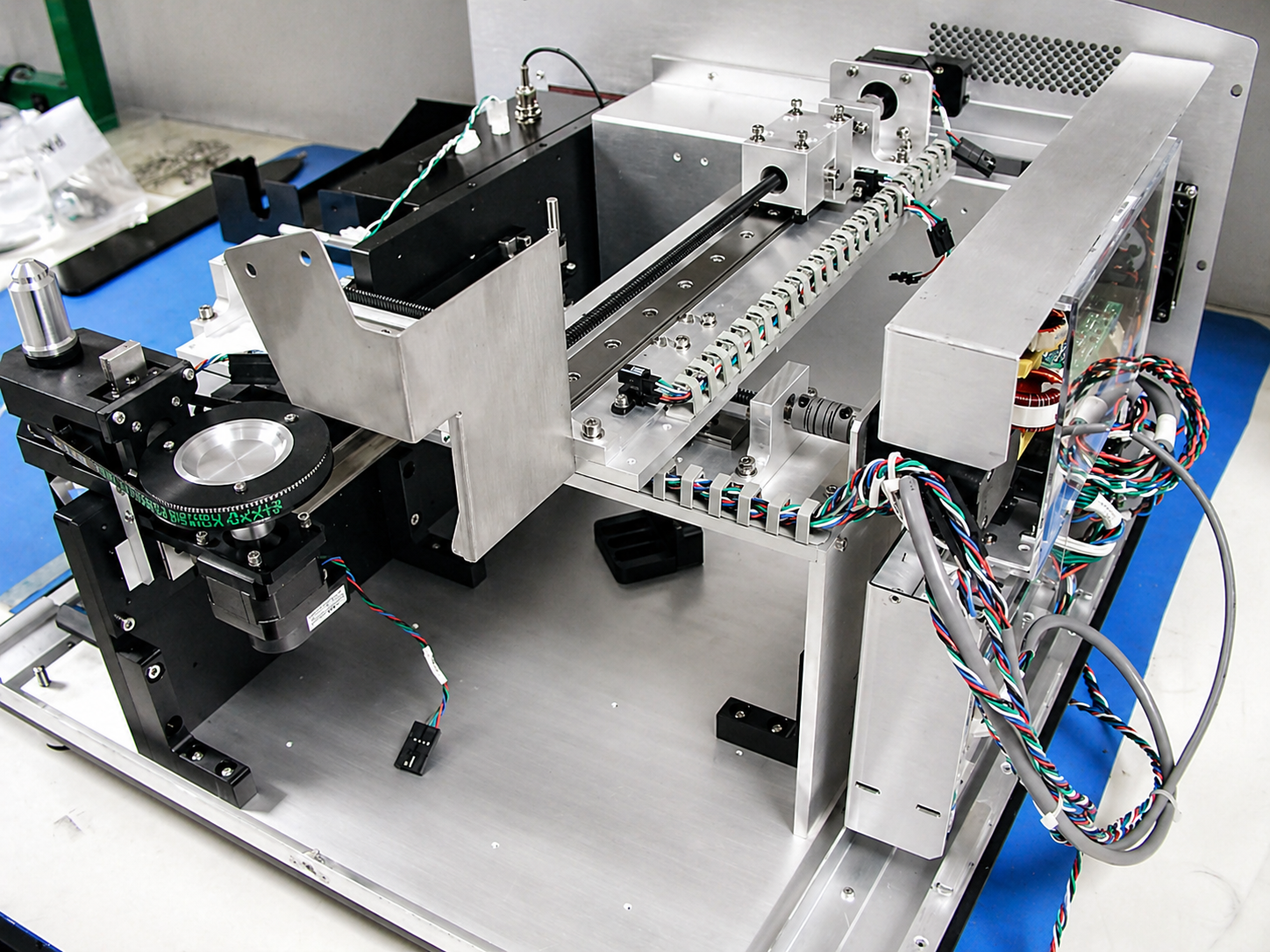
Why it gets worse over time
Early prototypes often behave better than they should.
Not because they’re robust — but because the conditions are controlled:
- same engineer
- same setup
- same enviroment
As development progresses:
- more people interact with the system
- assemblies vary
- enviroments change
- test setups evolve
If performance is already marginal, this added variability doesn’t create new problems.
It exposes the ones that were already there.
This is often the point where programs start to feel unpredictable — not because the technology is fundamentally flawed, but because system-level interactions haven’t been fully worked through yet.
This is also where we tend to spend a lot of time with teams — helping identify where variability is coming from, clarifying subsystem interactions, and putting structure around what the system is actually doing across builds.
Repeatability beats peak performance
A common trap is optimizing for peak performance too early.
If you’re choosing between:
+10% signal
or
3× repeatability
Repeatability is usually the better signal that you’re moving in the right direction.
Because repeatability gives you:
- confidence in your data
- faster iteration cycles
- clearer decisions towards launch
- fewer surprises during integration
Peak performance without stability can feel like progress — but it’s often fragile.

What "closer" actually looks like
A prototype that’s truly progressing should be able to answer:
- Does performance stay consistent across runs?
- Does it tolerate small assembly variation?
- Do results change with temperature or handling?
- Can someone else reproduce the same outcome?
If those answers aren’t clear yet, the system may not be as close as it feels.
A better question to ask
Instead of asking: “How can we make this work better?”
Ask: “Why does this sometimes not work?”
That shift tends to uncover the real drivers of instability.
“Mostly working” systems are tricky.
They feel close — which makes it easy to move forward too quickly.
But in many cases, a small step back to understand repeatability and system behavior early — often with an experienced outside perspective — can prevent much larger setbacks later.
Lathrop Product Development
Integration early. Reliable performance.